

Key Takeaways
- Treat a problem as an emergency when it threatens health or safety, is damaging the home right now, or removes heat, water, or a working lock.
- A dripping faucet, a burned-out bulb, or a dead dishwasher is routine maintenance, even when the resident is frustrated.
- Texas Property Code Chapter 92 doesn’t define “emergency,” so a written set of categories protects you better than a judgment call at 11 p.m.
- Lubbock freezes, summer heat, and spring hail turn small failures into urgent repairs quickly.
A resident texts at 11 p.m. The ceiling is wet, or the house is cold, or the back door won’t lock. Whether that call is an emergency maintenance rental issue or can wait until morning decides how much you spend and how much risk you carry.
Accidental landlords in Lubbock often get that call with no plan, especially after relocating for work or inheriting a house across town. Real Property Management Services offers 24/7 availability for after-hours maintenance, and good triage starts with knowing what counts as an emergency. Below is how to tell the difference, plus a framework you can use on any call.
What Counts as Emergency Maintenance in a Rental
Real emergencies share one trait. Waiting until morning makes the outcome worse in a way you can’t undo, whether that means an injured person, a ruined floor, or a house left open.
True Emergencies
-
- Gas smell: Everyone leaves the house. The resident calls the gas utility or 911 from outside and touches no switches.
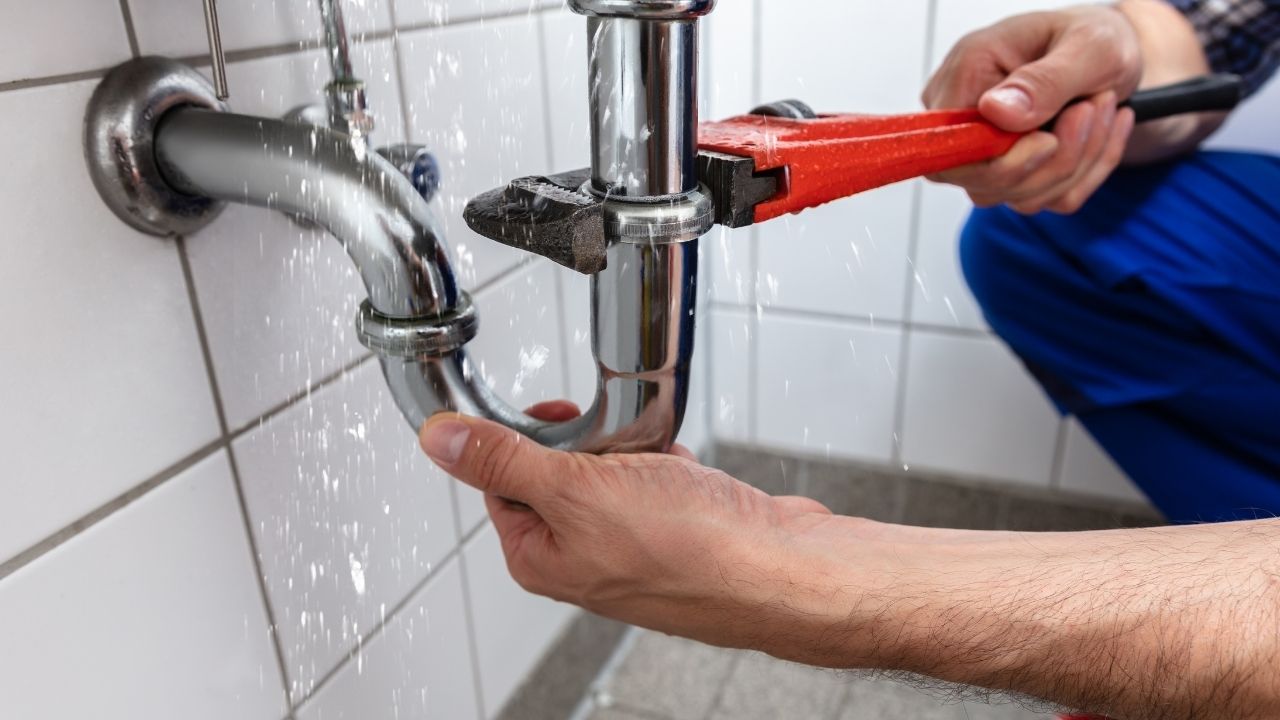
- Active flooding or a burst pipe: Water is running and nobody can stop it.
- Sewage backing up into the home.
- Electrical hazards: Sparks, a burning smell, or a scorched outlet.
- Fire, smoke, or a carbon monoxide alarm.
- No heat during a freeze, or no cooling in extreme heat.
- Security failures: A broken exterior door, a smashed window, or a lock that fails.
- A roof breach letting water in after a storm.
Routine Requests
A slow drain, a dripping faucet, a running toilet with a working shut-off valve, a garbage disposal that hums, a loose cabinet door, and one dead burner are all routine.
So are minor pest complaints and cosmetic repairs. They deserve a prompt response during business hours. They don’t deserve a 2 a.m. vendor call at premium rates.
The Gray Zone
Some problems fall between the two. A dead refrigerator, a water heater that quits, or the only toilet in a one-bath house won’t flush. These are urgent repairs for the same day or next morning. They become emergencies if the weather, a medical situation, or active water damage changes the picture.
A Four-Question Test for Urgent Repairs
Landlords get into trouble when they decide by gut feel. Ask these in order:
- Is anyone in danger? Gas, fire, sparks, carbon monoxide, or sewage means call 911 or the utility first, then the property manager.
- Is damage happening right now? Running water or an open roof gets a vendor tonight, after the resident shuts off the water at the main if they can.
- Has the home lost heat, cooling in extreme weather, water, or security? If yes, dispatch the same night.
- Can the resident safely wait until business hours? If yes to this and no to the first three, log it as routine.
A yes to any of the first three means act now. Write down the time of the call, what the resident reported, and what you told them to do.
Lubbock Weather Changes the Answer
The same failure ranks differently depending on the calendar. A dead furnace in April is urgent.
In a January freeze it is an emergency, because frozen pipes can follow within hours. Older neighborhoods such as Tech Terrace and Overton are worth special attention when a hard freeze is forecast.
Summer works the same way. A failed air conditioner on a 100-degree day in the South Plains is a safety problem for anyone at home. Chapter 92 doesn’t give a temperature threshold we’d rely on, so we wouldn’t treat the silence as permission to wait. Check your lease language and ask a Texas attorney about your situation.
Spring brings hail. After a storm, a roof leak or broken window is an emergency, and so is anything that leaves the home open to weather. Take photos before any temporary repair and look at your deductible early. Hail deductibles can differ from standard ones, so read your policy before storm season.
Set Up After-Hours Maintenance Before You Need It
The best time to define an emergency is move-in day. A few steps make the 11 p.m. call easier:
- Give residents a written list of what qualifies, and show them where the main water shut-off is.
- Set a spending limit you’ve approved in advance so a vendor can start work without waiting on you.
- Keep vetted vendors for plumbing, HVAC, electrical, and roofing.
- Ask residents to submit routine requests through the online portal so the phone stays clear for real emergencies.
Out-of-state owners benefit most. You can’t drive to Lubbock at midnight, and a plan lets someone on the ground act for you.
Documentation and Liability
Under Texas Property Code Chapter 92, a landlord has a duty to make a diligent effort to repair conditions that materially affect the physical health or safety of an ordinary resident. That duty applies after the resident gives proper notice and is current on rent. The statute also has separate rules for security devices like locks and deadbolts.
Slow responses to serious problems create exposure. So does overspending on problems that could have waited. Keep a record of every call, photo, vendor invoice, and message. This is general information, not legal advice, and your lease and situation matter.
Conclusion
Sorting emergencies from routine requests comes down to danger, active damage, and loss of basic function, applied the same way every time. Lubbock’s freezes, heat, and hail raise the stakes, and a written plan, pre-approved limits, and clear documentation make each call easier.
Real Property Management Services helps owners put those pieces in place and responds to after-hours maintenance calls around the clock.
Frequently Asked Questions About Emergency Maintenance Rental Repairs
Who Pays for Emergency Repairs in a Rental?
The owner usually pays when the problem comes from normal wear, age, or a system failure. Chapter 92 generally excludes conditions the resident, a family member, or a guest caused, other than normal wear and tear.
Your lease may also address resident-caused damage. Keep photos and the vendor’s findings, because they show what caused the problem. Paying promptly for a true emergency is almost always cheaper than arguing about it after the damage spreads.
Can a Resident Make Repairs and Deduct the Cost?
Texas allows a narrow repair-and-deduct remedy under Chapter 92, but it carries strict requirements. The resident generally must give proper notice, be current on rent, and wait a reasonable time.
The statute also caps deductions at a set limit. Residents who skip steps can end up in a dispute. Owners who respond quickly rarely see this come up. If a resident raises it, talk to a Texas attorney before you reply.
How Fast Does a Landlord Have to Respond?
Chapter 92 presumes seven days is a reasonable time to repair a covered condition, though the actual standard depends on the facts. That presumption doesn’t excuse a slow response to a gas leak, flooding, or a broken exterior lock.
A condition that endangers people or property calls for immediate action. Document when you were notified and when you acted, and ask an attorney about anything unusual.
What Should an Owner Do When a Pipe Bursts While Out of State?
The resident should shut off the water at the main valve if they can do so safely. Then a plumber needs to be dispatched, and someone should photograph the damage before cleanup. Report the loss to your insurer promptly and check your deductible.
An out-of-state owner can’t do any of this alone at night, which is why a property manager with after-hours coverage matters. Real Property Management Services Lubbock offers 24/7 availability for after-hours maintenance.
Should Residents Call 911 or the Property Manager First?
Call 911 first for fire, smoke, carbon monoxide, or any danger to life. For a gas smell, leave the home and call the gas utility or 911 from outside. After that, contact the property manager so repairs and documentation can begin.
Tell residents this order at move-in. Many residents call the landlord first out of habit, and in a real emergency those minutes matter.
This content is provided for general informational and educational purposes only and does not constitute financial, legal, tax, or investment advice. Readers should consult with licensed professionals regarding their specific circumstances.
We are pledged to the letter and spirit of U.S. policy for the achievement of equal housing opportunity throughout the Nation. See Equal Housing Opportunity Statement for more information.
